


Top things to do in Athens

Quick overview
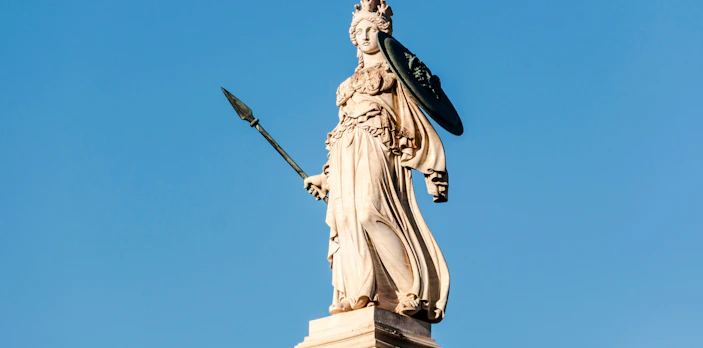
  • Access: Included in all Acropolis of Athens tickets
  • Separate ticket: Not required
  • When you'll see it: Midway through the main archaeological circuit
  • Visit duration: 5–10 mins self-guided/10–15 mins with guide
  • Best time: 8am–9am or after 6pm on weekdays
  • Restrictions: No touching historical foundations, drone photography prohibited

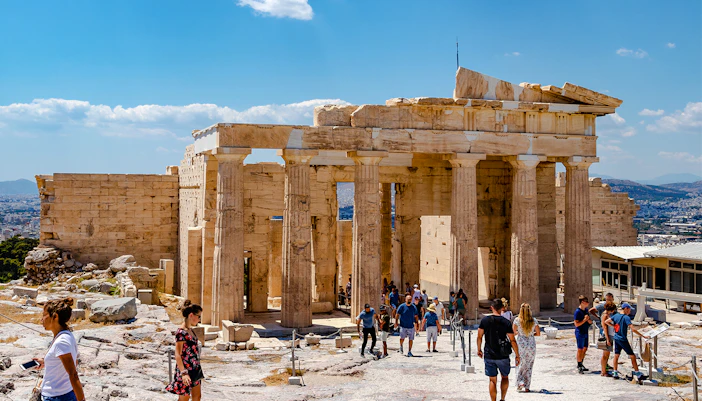
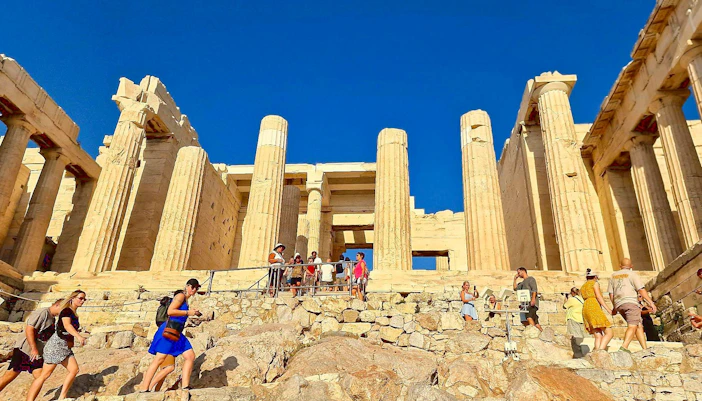
The historic site of the Statue of Athena is included with all Acropolis tickets; no separate ticket exists to visit the specific monument grounds. Located outdoors on the citadel summit, the legendary foundations sit midway along the main path between the Propylaea entrance and the Parthenon. Book a skip-the-line ticket or a combined archaeological pass early to bypass the main ticket booth queues and beat the midday heat.

How to best experience the Statue of Athena
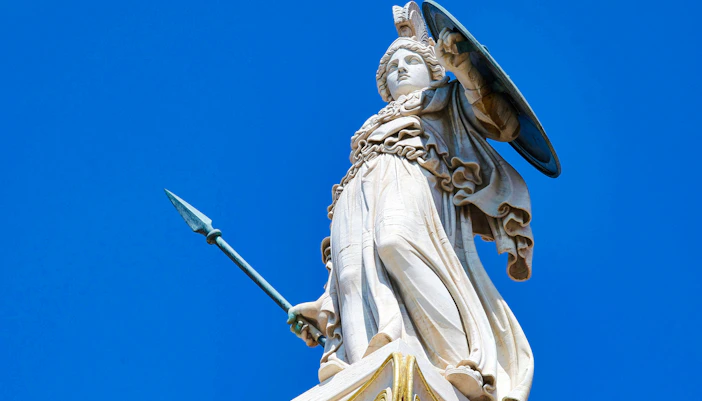
Best time to visit

Arrive between 8am and 9am on a weekday. The morning sun strikes the limestone foundations at a low angle, highlighting the ancient masonry work before crowds overwhelm the narrow summit paths.

How long to spend

Spend 5 to 10 minutes if you are self-guided, or up to 15 minutes with an audio guide. Because the original bronze and chryselephantine statues are lost, you need this time to read the archaeological site maps and visually map out where they once stood.

Where it fits in your itinerary

The statue sites sit right at the heart of the Acropolis plateau. Pace your walk up through the heavy stone stairs of the Propylaea, so you arrive at the open summit with enough physical energy to study the outdoor monument bases.

Crowd patterns

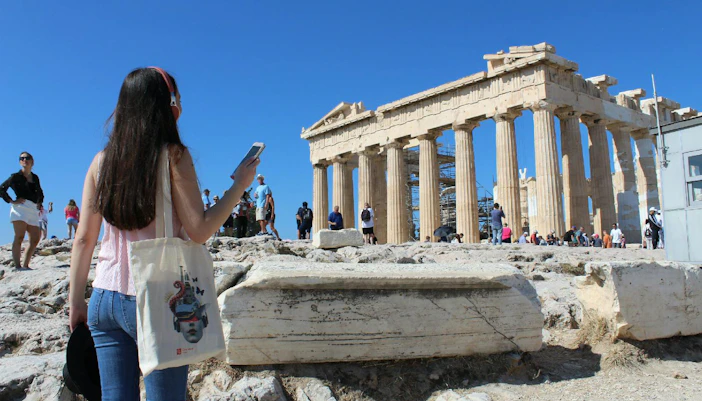
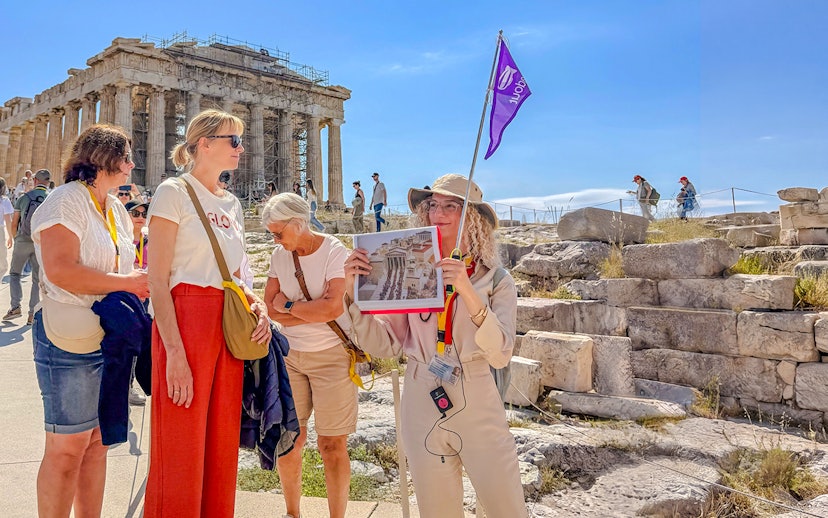
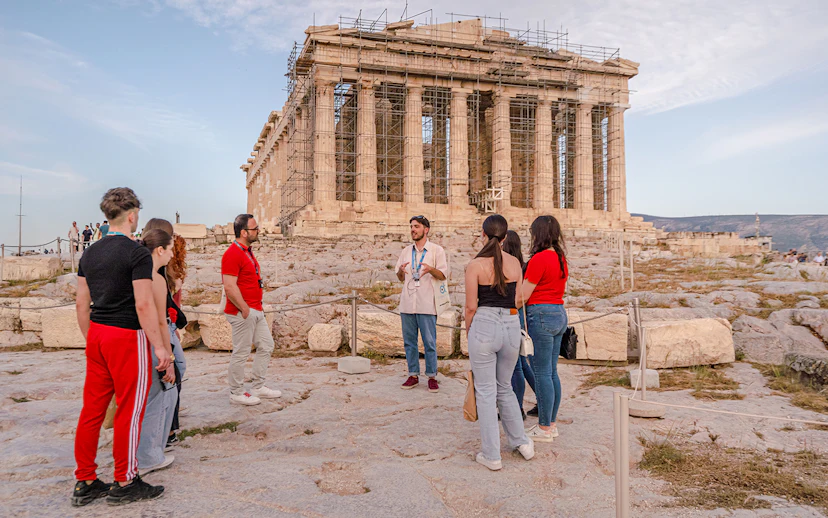
Tour groups congest the central pathway heavily between 10am and 3pm. The narrow spaces around the foundations are filled completely, creating a loud environment that makes it difficult to read your digital itinerary or capture unobstructed panoramic photos.

What to prioritize if time is short

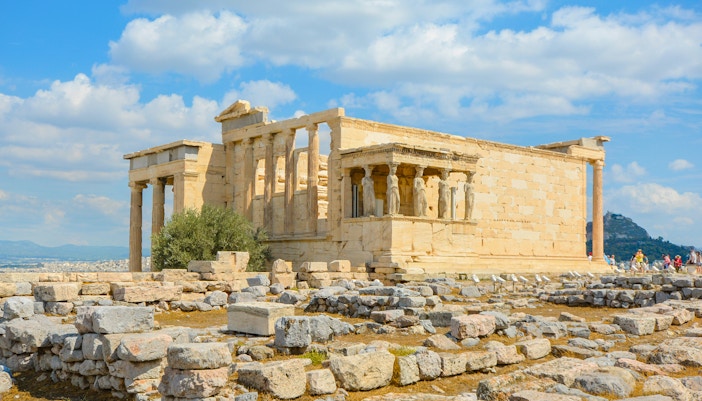
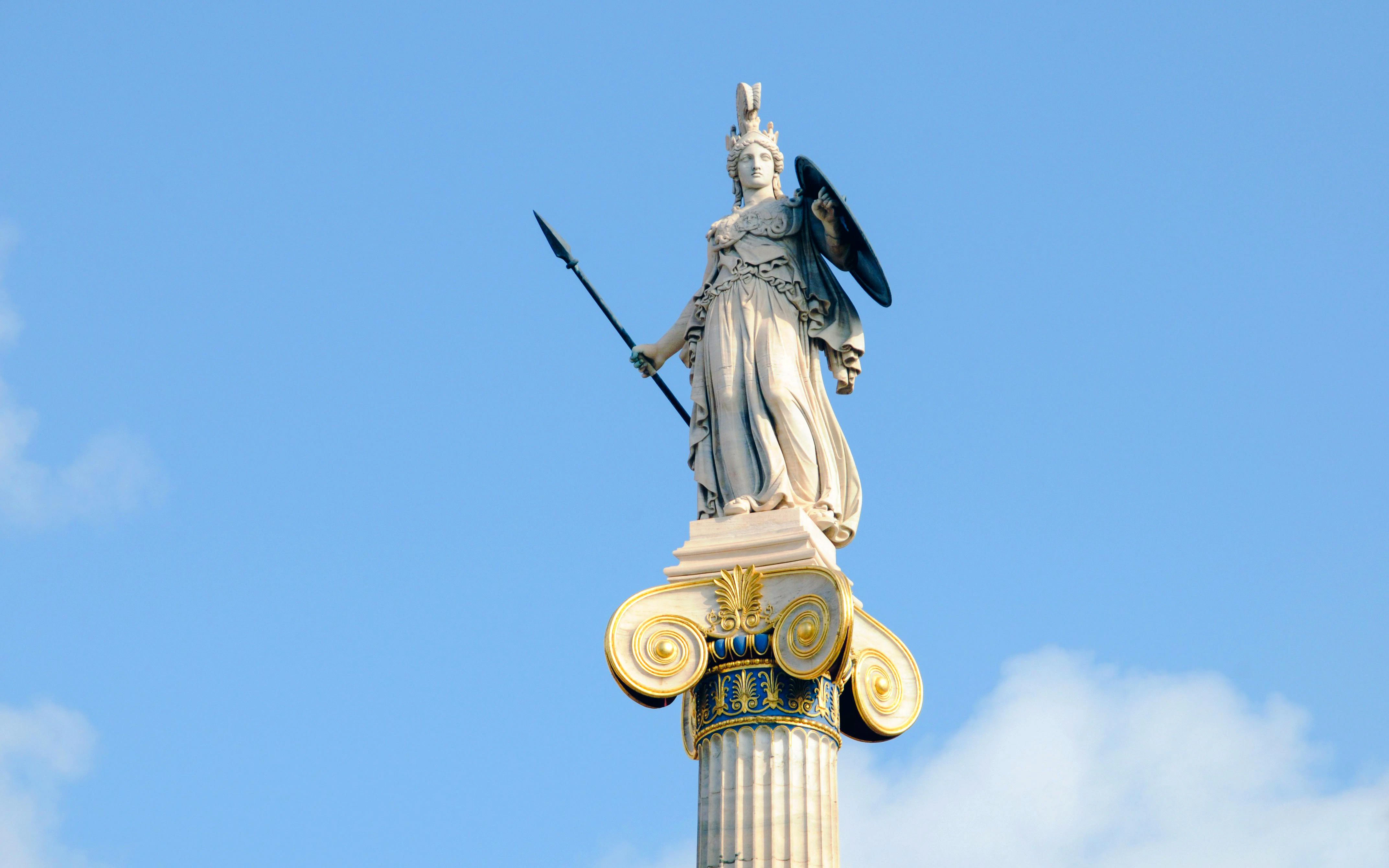
Locate the massive stone base between the Propylaea and the Erechtheion. This marks the exact spot where the colossal bronze Athena Promachos stood, whose glittering helmet tip could be seen by sailors miles away at sea.

Common mistakes to avoid

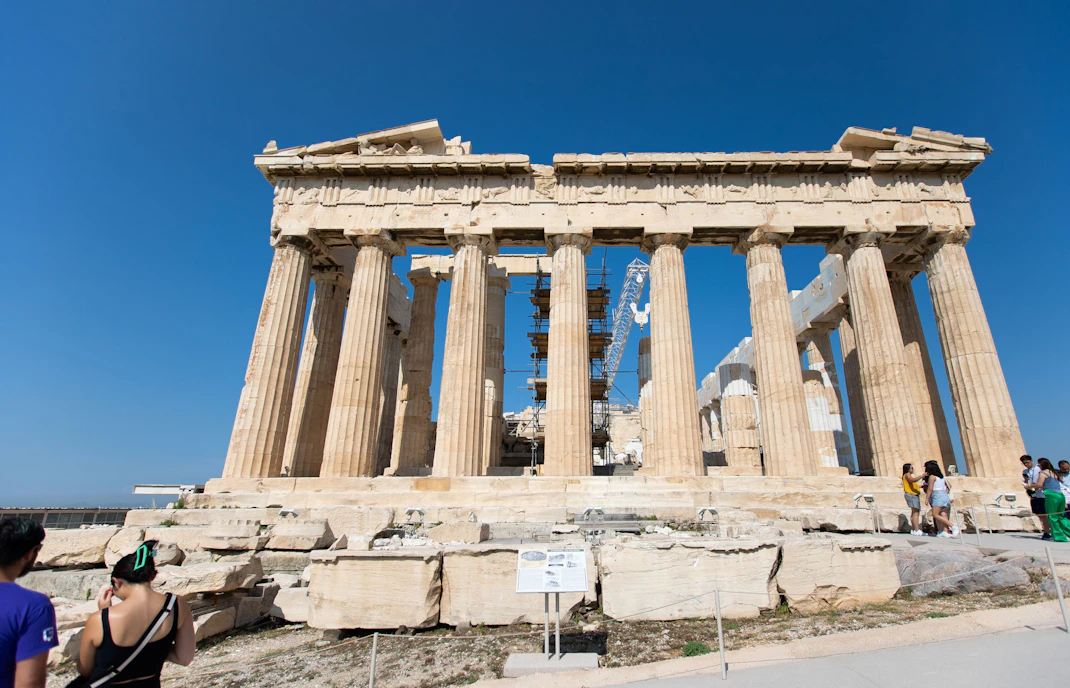
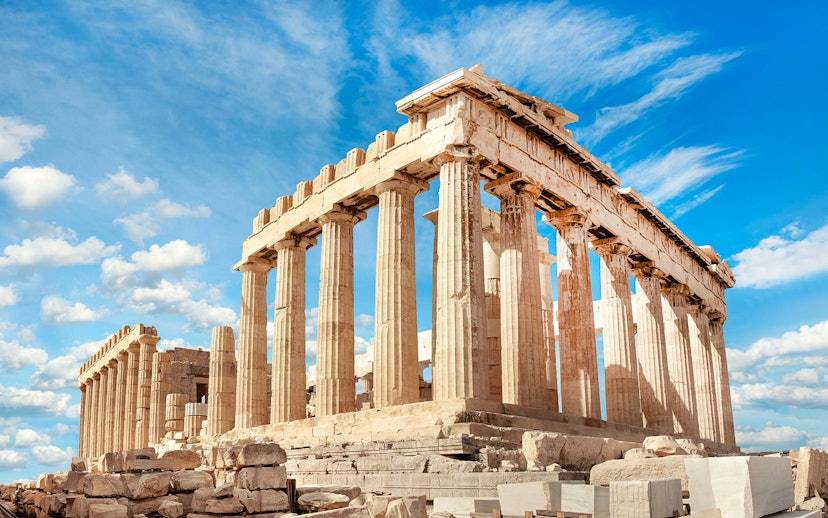
Many visitors walk directly to the Parthenon structure and completely miss the flat outdoor platform fields where the great statues actually stood. Keep your eyes on the ground markers and structural ruins just past the grand gateway.

Best tickets to experience the Statue of Athena

Ticket typeWhy choose it

Skip-the-line entry

Bypass the crowded ticket windows and climb straight up to the summit monuments.

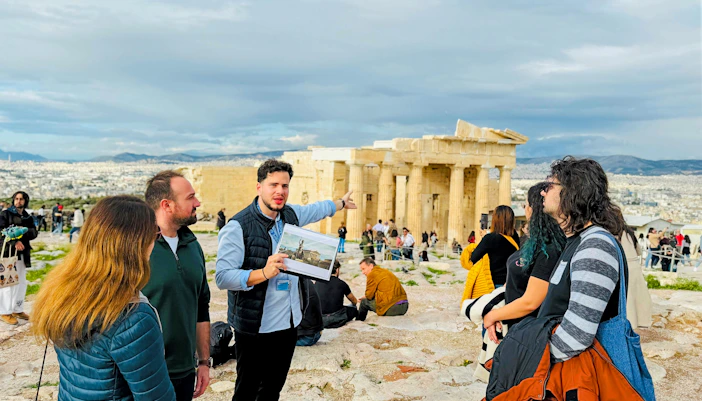
Acropolis guided tour

Let an expert archaeologist reconstruct Phidias' lost gold, ivory, and bronze masterpieces for you.

Multi-site combo pass

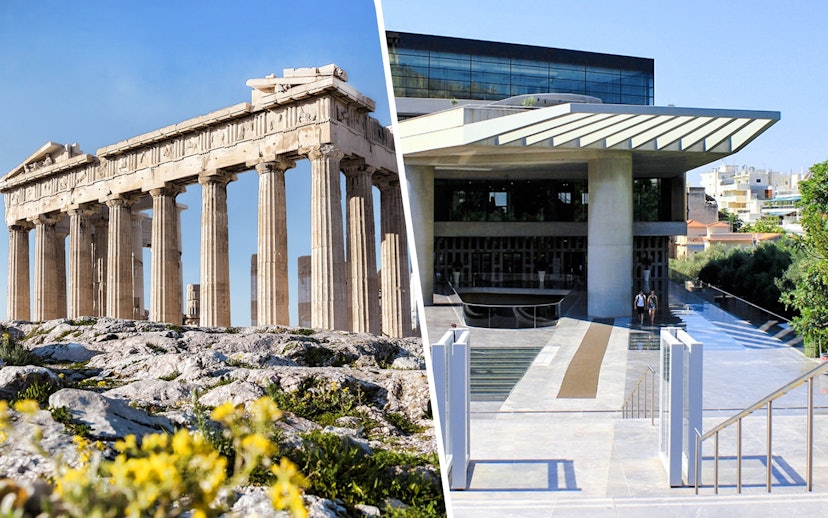
Expand your journey beyond the summit to see salvaged statue fragments inside the Acropolis Museum.

Why it’s worth seeing

The historical site of the Statue of Athena is irreplaceable because it marks the literal spiritual center of ancient Athenian power. While the massive figures themselves vanished centuries ago, the remaining open-air footprints hold a fascinating secret: the Acropolis actually hosted two completely different giant monuments sculpted by Phidias. Visualizing their physical scale changes how you view the empty spaces between the temples.

Athena Promachos: the bronze titan

Look for the rectangular stone cutting in the bedrock halfway between the gateway and the Parthenon. This held the 30-foot bronze monument. Ancient accounts note that her spear tip caught the daylight so brightly it served as a lighthouse for ships approaching the Piraeus port.

Athena Parthenos: the inner treasure

Walk inside the eastern viewing perimeter of the Parthenon temple. This open room once housed a 40-foot chryselephantine (gold and ivory) monument. It wasn't just a religious icon; the pure gold clothing on the statue weighed over 40 talents, serving as Athens’ ultimate financial emergency fund.

Historical & cultural significance

Erected around 456 BCE to commemorate the Greek victory over the Persians, the outdoor bronze Athena Promachos was financed entirely from the spoils of war. For nearly nine centuries, these immense monuments dominated the Athenian skyline before being removed to Constantinople, where they were eventually destroyed during medieval riots. Today, the vacant stone pedestals continue to host key archaeological studies, serving as a powerful symbol of classical art, ancient engineering, and lost heritage.

👉 Explore the full history of the Acropolis of Athens

Know before you go

  • Open daily from 8am to 8pm during the summer season.
  • Winter hours are reduced, typically closing at 5pm.
  • Last entry is strictly permitted 30 minutes before the official closing time.
  • The entire archaeological site is closed on major public holidays, including Easter and Christmas.
  • Situated outdoors on the rocky summit of the Acropolis hill in central Athens.
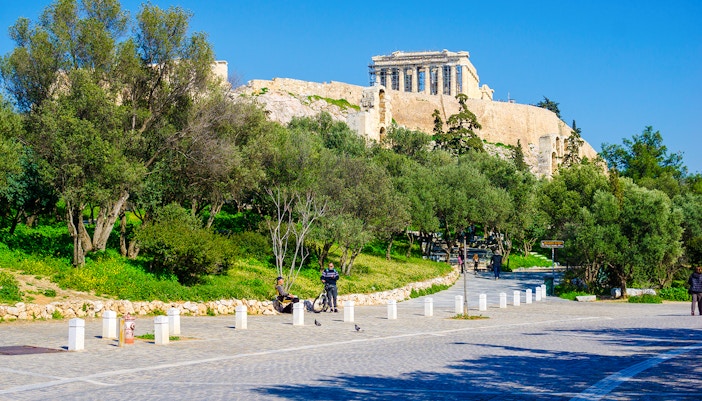
  • The closest transit stop is the Akropoli Metro Station (Line 2), followed by a 10-minute uphill walk.
  • Accessible paths lead from both the Main Western Entrance and the quieter Dionysus Theater Southeast Entrance.
  • The statue sites are fully open-air and located directly on the exposed limestone plateau.
  • An elevator is available on the north face of the hill for visitors with mobility challenges.
  • The terrain surrounding the ancient statue foundations consists of uneven, slippery bedrock paths.
  • Strollers and large mobility scooters can be difficult to maneuver across the natural outdoor summit steps.
  • Shade is virtually non-existent on the open plateau; heat management plans are highly recommended.
  • Touching, leaning on, or removing stones from the ancient monument bases is strictly forbidden.
  • Professional camera tripods, drones, and large commercial filming gear are prohibited without a special permit.
  • Only bottled water is allowed past the security gates; food and open sugary drinks are banned.
  • Visitors must wear rubber-soled shoes, as the ancient marble and stone walking paths are polished and slick.

Frequently asked questions about the Statue of Athena

Yes. Access to the open-air summit where the statues stood is included with every standard Acropolis admission ticket.

More reads